1. Key Characteristics & Agronomic Advantages
-
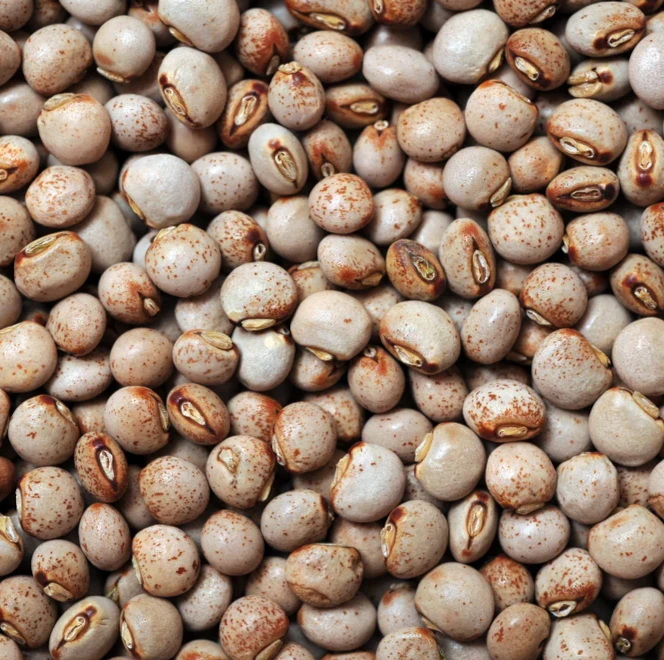
Nutritional Profile: A vital source of plant-based protein (~20-22%), dietary fiber, complex carbohydrates, and essential minerals like iron, folate, and magnesium. They are a dietary staple, especially in coastal regions of Tanzania.
-
Exceptional Drought Tolerance: This is its superpower. Pigeon peas have deep taproots that allow them to access water from deep in the soil, making them one of the most reliable crops in semi-arid and marginal lands with unreliable rainfall. This is crucial for climate resilience.
-
Soil Health Improver: As a legume, it fixes atmospheric nitrogen in the soil through symbiotic bacteria in its root nodules. This reduces the need for nitrogen fertilizers and significantly improves soil fertility for subsequent crops (e.g., cereals like maize), making it an excellent intercropping or rotation crop.
-
Low Input Requirements: Thrives in poorer soils where other crops fail and requires minimal fertilizers or pesticides, reducing production costs for farmers.