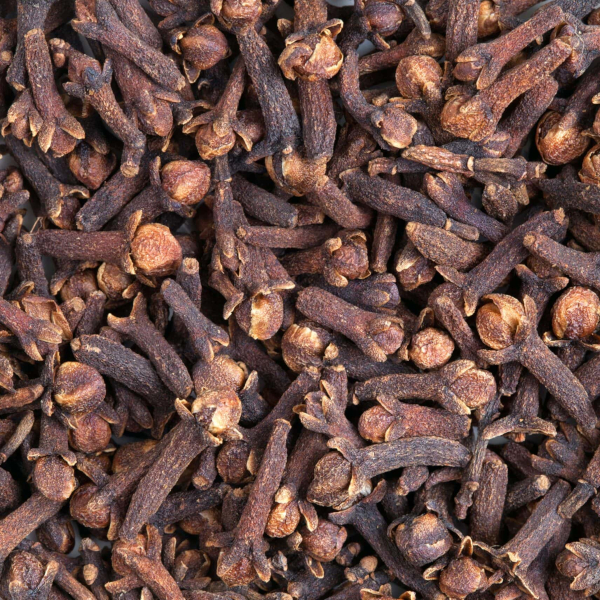
1. Key Characteristics & Agronomic Advantages
-
The “Spice Islands” Heritage: Zanzibar and Pemba (part of Tanzania) are famously known as the “Spice Islands” and are among the world’s top producers of quality cloves, alongside Indonesia and Madagascar. This origin carries a premium reputation.
-
High Value per Unit Weight: As a spice, cloves command a very high price per kilogram, making them an extremely lucrative crop for farmers and traders.
-
Climatic Requirements: Clove trees thrive in a specific tropical maritime climate:
-
Temperature: Consistently warm temperatures with high humidity.
-
Rainfall: Well-distributed annual rainfall.
-
Soil: Well-drained, rich loamy soils.
-
Altitude: Grows best at lower altitudes near the coast.
-
Growing Regions in Tanzania: Primarily the islands of Zanzibar and Pemba, which offer the ideal microclimate. Some cultivation also exists in the Tanga and Morogoro regions of the mainland.
-
-
Perennial Crop: A clove tree starts yielding after 5-7 years but can remain productive for over 100 years, providing intergenerational income.