1. Key Characteristics & Agronomic Advantages
-
The “Queen of Spices”: This title denotes its high status, value, and the care required in its cultivation and processing.
-
Two Main Types: This distinction is critical for market strategy:
-
Green Cardamom (Elettaria cardamomum): The true cardamom. It is smaller, has a vivid green pod, and a more delicate, complex flavor. It is the most widely used and commands the highest prices. It is a key ingredient in Arabic coffee (Gahwa) and Indian curries and sweets.
-
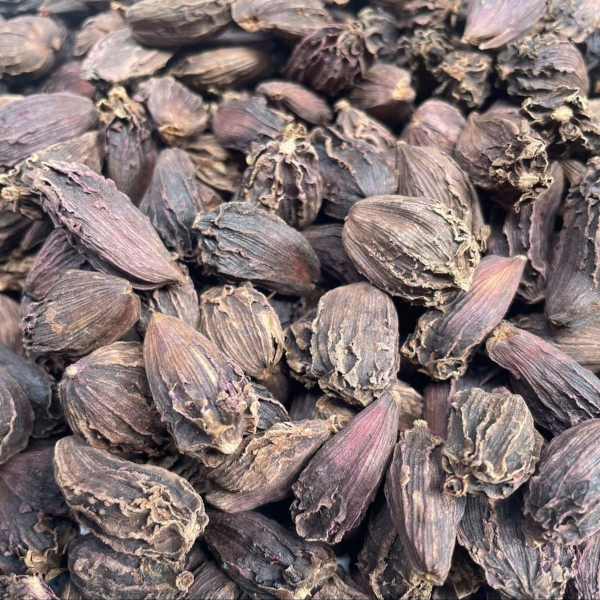
Black Cardamom (Amomum subulatum): Larger, dark brown, smoky pods with a coarser, more camphorous flavor. It is used primarily in savory dishes in Indian and some Southeast Asian cuisines and is less expensive.
-
-
Climatic Requirements: Cardamom is a finicky plant that requires very specific conditions:
-
High Altitude: Thrives best between 600 – 1,500 meters above sea level.
-
Warm, Humid Climate: Requires consistent moisture, well-distributed rainfall, and temperatures between 10°C – 35°C.
-
Filtered Sunlight: Grows best under the canopy of shade trees (e.g., silver oak, jackfruit). This makes it excellent for agroforestry systems.
-
-
Perennial Crop: Once established, a cardamom plantation (an “estate” or “garden”) can be productive for 10-15 years, providing long-term, stable income.