1. Key Characteristics & Agronomic Advantages
-
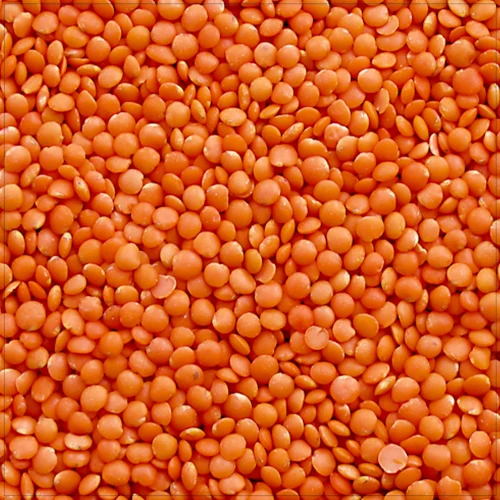
Nutritional Powerhouse: Lentils are an exceptional source of plant-based protein (around 25-30%), dietary fiber, complex carbohydrates, and essential minerals like iron, folate, and potassium. They are low in fat and have a low glycemic index.
-
Soil Health Improver: Like all legumes, lentils form a symbiotic relationship with nitrogen-fixing bacteria (Rhizobia). This process captures atmospheric nitrogen and converts it into a form usable by plants, effectively fertilizing the soil for subsequent crops. This reduces the need for synthetic nitrogen fertilizers, lowering costs for farmers and benefiting the environment.
-
Drought Tolerance: Lentils are relatively drought-resistant compared to other crops like wheat or maize. They have a shallow root system and are well-suited to regions with moderate, residual moisture, making them ideal for semi-arid areas.
-
Short Growing Cycle: Most lentil varieties mature in 80-110 days, allowing them to fit into various crop rotation systems. This provides farmers with a valuable cash crop without a long commitment of land.