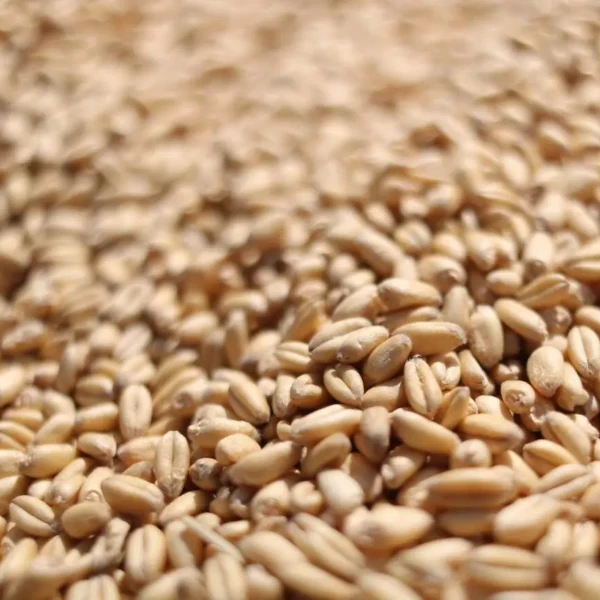
1. Key Characteristics & Agronomic Considerations
-
Global Dietary Staple: Wheat is ground into flour for bread, chapatis, pasta, noodles, pastries, and countless other foods. It is a primary source of carbohydrates and plant-based protein globally.
-
Climatic Requirements: Wheat is a cool-season crop.
-
Temperature: It requires a cool, moist period for germination and growth, followed by a warmer, drier period for ripening and harvest.
-
Rainfall: Requires moderate, well-distributed rainfall or reliable irrigation.
-
Growing Regions in Tanzania: Successful cultivation is primarily limited to the high-altitude regions with cooler climates, such as the Northern Zone (Arusha, Kilimanjaro) and the Southern Highlands (Iringa, Mbeya). Production is often under irrigation.
-
-
Varietal Types: The type of wheat determines its end-use and is crucial for trading:
-
Hard Wheat: High protein content (11-15%) and strong gluten. Ideal for yeast breads.
-
Soft Wheat: Lower protein content (8-11%) and weak gluten. Ideal for cakes, biscuits, pastries, and flatbreads.
-
Durum Wheat: Very hard, high-protein wheat used exclusively for making pasta and couscous.
-