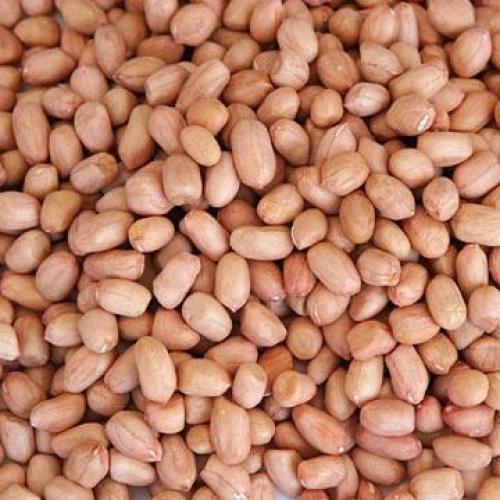
1. Key Characteristics & Agronomic Advantages
-
Nutritional Powerhouse: Peanuts are an excellent source of:
-
Healthy Fats: Rich in monounsaturated and polyunsaturated fats.
-
Plant-Based Protein: ~25-30% protein, making them vital for combating protein malnutrition.
-
Vitamins and Minerals: Particularly Vitamin E, Niacin (B3), Folate, Magnesium, and Phosphorus.
-
-
Soil Enrichment: As a legume, peanuts fix atmospheric nitrogen into the soil through root nodules, improving soil fertility for subsequent crops in a rotation system (e.g., with maize or sorghum). This reduces the need for nitrogen fertilizers.
-
Drought Tolerance: Peanuts are relatively resilient to dry spells compared to many other crops, making them suitable for Tanzania’s semi-arid regions.
-
Dual-Purpose Crop: Both the seeds (kernels) for human consumption and the vegetative haulms (vines) for high-quality animal fodder have economic value.