1. Key Characteristics & Agronomic Advantages
-
Two Main Types: Understanding this distinction is crucial for the market:
-
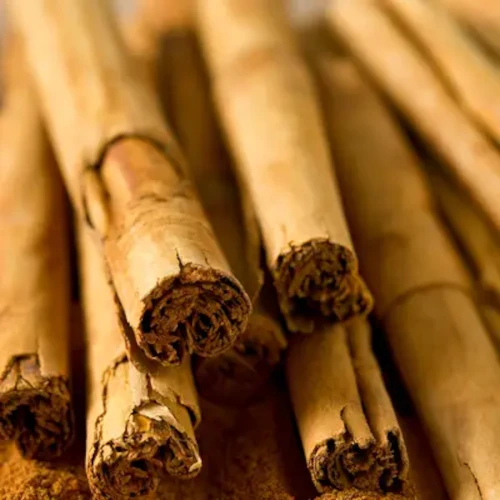
Ceylon Cinnamon (Cinnamomum verum): Often called “true cinnamon.” It is lighter in color, has a finer, more crumbly texture, and a delicate, sweet flavor. It is considered superior and commands a premium price.
-
Cassia Cinnamon (Cinnamomum cassia): More common and widely sold. It is darker, has a thicker, harder bark, and a stronger, more pungent flavor. Most cinnamon found in supermarkets is Cassia.
-
-
Climatic Suitability: Cinnamon trees thrive in tropical, humid climates with well-distributed rainfall and well-drained soils. Regions of Tanzania, particularly those in the humid coastal zones (e.g., Tanga, Zanzibar) and the southern highlands, offer excellent growing conditions.
-
Perennial Crop: Once established, a cinnamon plantation can be productive for many years, providing a long-term, sustainable source of income for farmers.
-
Health & Wellness Driver: Cinnamon is renowned for its antioxidant, anti-inflammatory, and antimicrobial properties. It is also studied for its potential role in managing blood sugar levels. This health narrative is a powerful market driver.