1. Key Characteristics & Agronomic Advantages
-
Drought Tolerance: Sunflowers are remarkably resilient. Their deep taproot system allows them to access water and nutrients from deeper soil layers, making them an ideal crop for semi-arid regions of Tanzania where other crops might struggle. This reduces reliance on irrigation.
-
Short Growing Cycle: Most varieties mature in 90-120 days, allowing farmers to harvest and potentially plant another crop within the same season, improving land productivity.
-
Soil Health: While not a legume, sunflowers can help break up soil compaction with their deep roots and are a good rotational crop with cereals like maize or wheat.
-
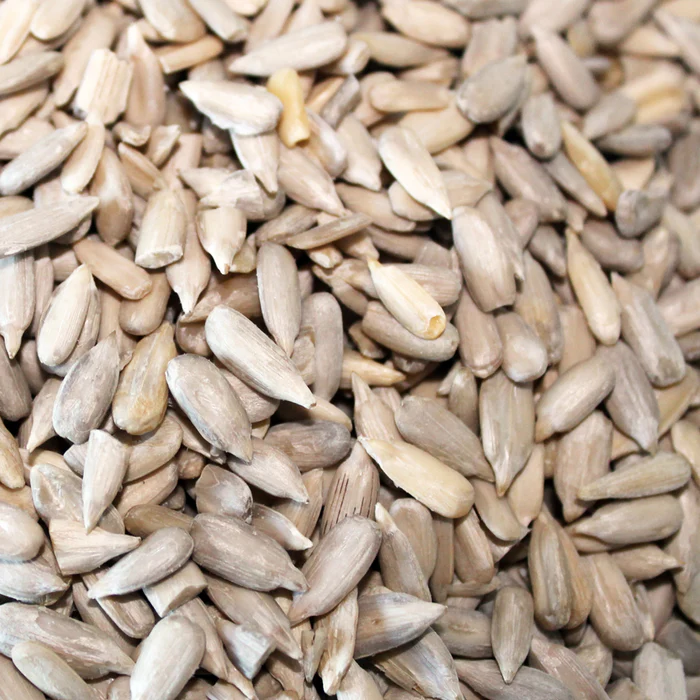
Nutritional Value: Sunflower seeds are rich in:
-
Healthy Fats: Especially high in linoleic acid (a polyunsaturated omega-6 fatty acid). Modern varieties are also bred for high oleic acid content (a monounsaturated fat), which is more stable and commands a premium.
-
Protein: The seed cake leftover after oil extraction is a protein-rich (30-40%) ingredient for animal feed.
-
Vitamin E: A powerful antioxidant.
-